The GH Peptide Built for More Than Just Abs
In a world where GLP-1s are hogging the fat-loss spotlight, Tesamorelin has quietly earned its place in the performance and metabolic optimization conversation. Originally developed for HIV-related fat accumulation, this GHRH analog is now being studied for a much wider range of benefits from visceral fat reduction to brain health.
If you’ve ever wished there was a growth hormone booster that could support fat loss, protect muscle, and possibly even enhance cognitive resilience all while respecting your body’s natural rhythms Tesamorelin might be the research candidate you’ve been looking for.
This guide unpacks the science, the studies, and the proper structure for researching Tesamorelin. It’s what we wish the label told you. Let’s dive in.
Compliance Notes
Disclaimer: This content is for educational and informational purposes only. Peptide Genius is an educational platform and does not sell, prescribe, or promote the human use of any compounds. All compounds discussed are intended for research purposes only. Information presented here is based on publicly available scientific literature and personal commentary.
What Is Tesamorelin? (And Why It’s Getting a Second Look)
Tesamorelin is a synthetic peptide that mimics the natural growth hormone-releasing hormone (GHRH). By binding to GHRH receptors in the pituitary gland, it stimulates the release of growth hormone (GH) but unlike synthetic GH injections, it doesn’t shut down your body’s own production.
Tesamorelin was originally FDA-approved to treat lipodystrophy in HIV patients, specifically to reduce visceral abdominal fat. But that was just the beginning. Research has since expanded into models studying cognitive function, muscle preservation, and metabolic repair.
Research-Backed Insights:
- A study in The Journal of Clinical Endocrinology & Metabolism confirmed Tesamorelin significantly reduced visceral fat in HIV-infected patients (source).
- A New England Journal of Medicine study found Tesamorelin improved lipid profiles and decreased VAT in a 26-week protocol (source).
- Research in JAMA explored its role in reducing liver fat and metabolic markers in nonalcoholic fatty liver disease (source).
Why Tesamorelin Matters Right Now
In the post-GLP-1 world of body recomposition, there’s growing interest in preserving muscle while shedding fat. Tesamorelin doesn’t just cut fat it does it by working with your endocrine system, not against it.
Tesamorelin is being explored for:
- Visceral fat loss without muscle loss
- Neurocognitive benefits (especially memory and executive function)
- Metabolic health restoration in aging models
- Liver fat reduction in NAFLD/NASH studies
For researchers focused on long-term metabolic repair not just cosmetic body changes Tesamorelin is worth exploring.
Key Benefits Being Explored
- Targets visceral fat, especially in the abdominal region
- Preserves and supports lean muscle mass
- Boosts endogenous growth hormone without suppressing natural production
- Improves lipid profiles and insulin sensitivity
- May support memory, focus, and brain aging pathways
Tesamorelin activates growth hormone in a way that aligns with your body’s circadian rhythm. This makes it ideal for protocols exploring nighttime dosing, sleep-driven repair, and GH-dependent recovery.
Potential Side Effects
Tesamorelin is generally well tolerated, but as with any peptide studied for GH release, here’s what’s been observed:
- Injection site irritation (redness, swelling)
- Water retention or bloating (transient)
- Increased appetite (from elevated GH levels)
- Mild joint pain or stiffness
GH peptides work best when dosed correctly and cycled properly. Researchers often titrate up to assess tolerance.
Dosing (For Research Use Only)
Standard Dose: 2 mg once daily via subcutaneous injection
Timing: Best researched before bedtime to align with natural GH pulses
Duration: Studies range from 4 weeks to 6 months depending on research goals
Injection Site: Lower abdomen or subcutaneous fat around the midsection
Stacking: Often combined with Ipamorelin or CJC 1295 in GH study models
Reconstitution & Storage
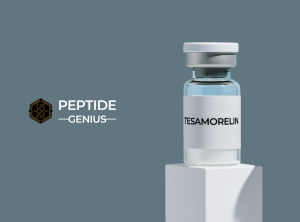
- Add 1–2 mL of bacteriostatic water to the lyophilized Tesamorelin vial
- Swirl gently (don’t shake) until fully dissolved
- Store in the refrigerator at 2–8°C (36–46°F)
- Use within 30 days after reconstitution
Proper reconstitution maintains stability and potency, especially with peptides like Tesamorelin that can degrade from heat or air exposure.
Similar Peptides to Compare
- CJC 1295 (with DAC): Long-acting GHRH analog often used in anti-aging research
- Ipamorelin: GHRP that pairs well with Tesamorelin for synergistic GH support
- Sermorelin: Earlier generation GHRH analog with similar, milder effects
Tesamorelin stands out because of its FDA approval, strong safety profile, and data-backed fat-loss potential.
Mini FAQ: Tesamorelin Edition
Is Tesamorelin legal in the U.S. and Canada?
Yes, for research use only purposes.
What does “research-use only” mean?
It means the product cannot be consumed or used on humans or animals without approval. It’s for lab or analytical purposes only.
How is Tesamorelin different from synthetic HGH?
Tesamorelin stimulates natural GH production without shutting down endogenous function.
Do I need a license to buy Tesamorelin?
No license is needed, but buyers must confirm they are 21+ and purchasing for research.
What is a COA?
Certificate of Analysis. It confirms purity, identity, and quality of the compound.
Conclusion + CTA
Tesamorelin isn’t just a fat-loss peptide. It’s a targeted metabolic optimizer that helps guide your system toward leaner, healthier function while respecting natural hormone rhythms.
If your research involves body composition, cognitive health, or recovery support, Tesamorelin deserves a spot in your peptide stack.