Energy Isn’t Just a Feeling—It’s Biochemistry
Scroll through any health optimization feed and you’ll see mentions of mitochondrial health, bioenergetics, or “charging your cells.” But behind the buzzwords sits one compound doing the heavy lifting: NAD+. This coenzyme has been studied for everything from cellular energy and DNA repair to metabolic resilience and brain function.
If you’ve ever wondered how researchers explore aging, cognition, or recovery from metabolic stress, NAD+ is likely on the short list of molecules in their protocol. But with so many options (NR, NMN, IV drips, injections, sublingual sprays), the landscape is anything but clear.
Let’s change that. This guide unpacks the science of NAD+ with zero fluff, straight insights, and everything you need to understand its place in modern peptide and health research.
Compliance Notes
Disclaimer: This content is for educational and informational purposes only. Peptide Genius is an educational platform and does not sell, prescribe, or promote the human use of any compounds. All compounds discussed are intended for research purposes only. Information presented here is based on publicly available scientific literature and personal commentary.
What Is NAD+? (And Why It’s In Every Serious Longevity Protocol)
Nicotinamide adenine dinucleotide (NAD+) is a coenzyme found in every cell of the human body. It’s not a vitamin, not a hormone, and not a magic biohack but it is a vital component of energy production, cellular repair, and age-related resilience.
NAD+ is derived from vitamin B3 (niacin) and is involved in hundreds of metabolic reactions, including ATP production, gene regulation, and enzyme activity that supports brain health, insulin signaling, and inflammation control.
Research Highlights:
- A Science study showed that boosting NAD+ improved stem cell and mitochondrial function, increasing lifespan in mice (source).
- Cell Metabolism published findings that NAD+ precursors like NMN reversed insulin resistance and metabolic dysfunction in aging models (source).
- Scientific Reports showed nicotinamide riboside helped prevent type 2 diabetes and nerve damage in preclinical models (source).
Why NAD+ Matters Right Now
With metabolic disorders, cognitive decline, and fatigue-related issues on the rise, U.S. and Canadian researchers are leaning heavily into cellular-level interventions. NAD+ sits at the center of that interest.
It’s being studied for:
- Energy production at the mitochondrial level
- DNA repair and protection from oxidative stress
- Brain health and neurodegenerative support
- Anti-aging and sirtuin activation
When your cells run out of NAD+, repair processes slow down. Energy drops. Inflammation rises. The research is clear: you want NAD+ levels supported in any model involving aging, cognition, or cellular stress.
Key Benefits Being Explored
- Boosts ATP production and cellular energy
- Activates sirtuins for longevity and DNA repair
- Supports mitochondrial efficiency and regeneration
- Enhances insulin sensitivity and metabolic flexibility
- Improves brain function and may reduce neuroinflammation
From a research perspective, NAD+ is a central control switch. Supporting its function can cascade into improvements across multiple physiological systems especially those tied to aging, fatigue, and metabolic slowdown.
Potential Side Effects
In research models and early clinical use, NAD+ appears safe. That said, some side effects have been observed depending on the delivery format:
- Niacin-based flushing (more common with oral precursors like nicotinic acid)
- Digestive discomfort or nausea (mild and transient)
- Fatigue or overstimulation (rare, dose-related)
- Lowered blood pressure (especially with IV delivery)
Slower titration and proper dosing protocols usually mitigate these effects.
Dosing for Research Use Only
Oral Precursors (NMN or NR): 250–500 mg daily
Subcutaneous Injections: 100–200 mg, 2–3 times per week
IV NAD+ Therapy: 250–1000 mg per session (used in acute performance or recovery studies)
Best practice: Researchers typically explore oral use for long-term protocols and injectables for more immediate or intensive models.
Reconstitution & Storage
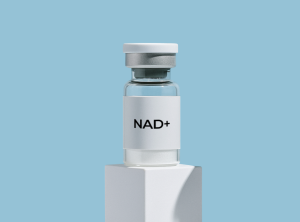
For injectable NAD+:
- Reconstitute with bacteriostatic water (1–2 mL typical)
- Swirl gently until fully dissolved (do not shake)
- Store refrigerated at 2–8°C (36–46°F)
- Use within 30 days of mixing
NAD+ is fragile and degrades with heat or UV exposure, so proper handling is essential for reliable research outcomes.
Similar Molecules to Compare
- NMN (Nicotinamide Mononucleotide): Immediate precursor to NAD+ with high oral bioavailability
- NR (Nicotinamide Riboside): Another precursor, often used in supplements
- Resveratrol: Sirtuin activator often stacked with NAD+ precursors for synergistic effects
Many longevity stacks include NAD+ + NMN + Resveratrol to create a multilayered approach to energy, repair, and cellular protection.
Mini FAQ: NAD+
Is NAD+ legal to buy in the U.S. and Canada?
Yes, it’s legal for research-use only purposes.
What does “research-use only” mean?
It means the compound cannot be consumed or administered outside of approved research protocols.
Is NAD+ a peptide?
Technically no—it’s a coenzyme. But it’s often studied alongside peptides due to its impact on energy and aging pathways.
Can I take it orally?
Research supports oral use via NMN and NR, though injectable and IV forms are often used for more direct delivery.
What is a COA?
A Certificate of Analysis verifying compound identity, purity, and batch safety.
Conclusion + CTA
NAD+ is not just a molecule. It’s a master regulator fueling your cells, protecting your DNA, and keeping your internal systems in sync. Whether you’re studying energy output, neuroprotection, or anti-aging interventions, NAD+ deserves serious attention.
But the impact only comes with quality, clarity, and purpose.