Blog

  • Emerging Trends in Peptide Research: The Future of Therapeutic Innovation

    Emerging Trends in Peptide Research: The Future of Therapeutic Innovation

    Peptides are redefining the landscape of modern medicine. Once limited to niche roles, peptide-based therapies are now at the forefront of pharmaceutical innovation, offering promising solutions for everything from obesity and chronic pain to neurodegeneration and cancer. Thanks to cutting-edge tools like AI, synthetic biology, and expanded peptide design, we’re witnessing a new wave of smarter, more potent, and more targeted peptide technologies. In this blog, we break down the most exciting emerging trends in peptide research—and what they mean for the future of health optimization.

    As we explore these breakthroughs, we’re proud to highlight Pure Life Peptides, our trusted Canadian partner committed to advancing safe, high-quality peptide access and education for researchers and enthusiasts alike.

    1. Advanced Peptide Drug Discovery Techniques

    Modern peptide research is moving beyond trial-and-error approaches. Instead, it’s embracing computational modeling, AI algorithms, and display technologies to speed up discovery and improve precision.

    • Phage display and other screening methods are helping researchers identify peptides with high target specificity and bioavailability.
    • AI-based platforms like PepINVENT are being used to design entirely new peptides, including those made from non-natural amino acids, unlocking previously unreachable biological targets.

    2. Expansion into New Therapeutic Areas

    Peptides are no longer confined to metabolic disorders or hormones. They’re now making waves in under-addressed areas like:

    • Ophthalmology (e.g., for geographic atrophy)
    • Gastroenterology (e.g., for inflammatory bowel disease)
    • Neurodegeneration (e.g., Alzheimer’s, stroke recovery)

    There are currently over 40 peptide drugs in late-stage clinical trials, signaling a shift toward mainstream medical use.

    3. Novel Peptide Design and Modification

    Scientists are now customizing peptides for better stability, activity, and delivery:

    • Non-natural amino acids (NNAAs) extend peptide half-life, improve permeability, and prevent degradation.
    • AI models help simulate structure-function relationships and predict how peptides will perform in the body.

    4. Nature-Inspired Antimicrobial and Anticancer Peptides

    Researchers are looking to nature for inspiration—mining venom and marine species for therapeutic peptides with unique effects:

    • Brazilian tarantula and horseshoe crab peptides have shown efficacy in killing drug-resistant melanoma cells.
    • Australian funnel-web spider venom may protect heart and brain cells during stroke or heart attack.

    5. AI-Powered Peptide Property Prediction

    The integration of machine learning and peptide chemistry is rapidly advancing:

    • New models like Multi-Peptide combine transformer-based AI with graph neural networks to predict how peptides behave in complex biological systems.
    • This reduces the trial-and-error of lab testing and speeds up development.

    6. Next-Gen Peptides for Weight Loss and Metabolism

    Following the explosive success of GLP-1 analogs like Semaglutide and Tirzepatide, the race is on to develop the next generation of weight-loss peptides, including:

    • Retatrutide – a triple agonist with potential for faster, deeper fat loss
    • VK2735 – a GLP-1/GIP dual agonist in oral form
    • Orforglipron – a non-peptide GLP-1 receptor agonist with promising early data

    Where Pure Life Peptides Fits In

    At The Peptide Genius, we’re committed to staying at the forefront of this evolution—and that’s why we proudly partner with Pure Life Peptides. Their dedication to compliance, quality, and education in the Canadian market makes them a trusted source for research peptides and a driving force in North America’s peptide space. From product integrity to customer transparency, they help ensure that researchers have the tools they need to explore the cutting edge of peptide science.

    Conclusion

    Peptide research is no longer just a niche—it’s poised to transform medicine across nearly every category. With AI and biotech driving innovation, we’re seeing the rise of smarter peptides, novel delivery methods, and cross-disciplinary applications that promise longer life, faster healing, and deeper health optimization.

    Whether you’re in the clinic, the lab, or on a personal journey of bio-optimization, staying ahead of these trends—and sourcing from trusted providers like Pure Life Peptides—will put you on the cutting edge of performance and longevity.

  • BPC-157 vs TB-500: Growth & Healing Comparison of Two Peptide Powerhouses

    BPC-157 vs TB-500: Growth & Healing Comparison of Two Peptide Powerhouses

    In the world of tissue regeneration, recovery, and repair, few peptides are as revered as BPC-157 and TB-500. Whether you’re rehabbing an injury, optimizing post-surgery healing, or supporting high-volume training recovery, these two peptides often take center stage.

    But while they share similarities, BPC-157 and TB-500 operate through different biological mechanisms—and understanding those differences is key to choosing the right tool for your goals.


    What is BPC-157?

    BPC-157 (Body Protection Compound) is a synthetic fragment of a protective protein found in gastric juice. It’s known for its rapid tissue healing and anti-inflammatory properties.

    Key Benefits:

    • Accelerates healing of tendons, ligaments, muscle, and skin
    • Repairs the gut lining and supports GI health
    • Enhances angiogenesis (formation of new blood vessels)
    • Reduces inflammation and oxidative stress at injury sites

    Mechanism of Action:

    • Modulates growth factors like VEGF, FGF, and TGF-β
    • Promotes cellular migration and collagen production

    Typical Use Cases:

    • Tendonitis, ligament sprains, and muscle tears
    • Leaky gut, IBS, or ulcer recovery
    • Post-surgical wound care

    What is TB-500?

    TB-500 is the synthetic version of Thymosin Beta-4, a naturally occurring peptide involved in tissue regeneration, immune modulation, and cell migration.

    Key Benefits:

    • Speeds healing of muscle, skin, eyes, and connective tissue
    • Increases flexibility and mobility during recovery
    • Reduces fibrosis and scarring
    • Supports cardiovascular and neurological repair

    Mechanism of Action:

    • Upregulates actin-binding proteins to enhance cellular movement
    • Promotes angiogenesis and tissue remodeling at a systemic level

    Typical Use Cases:

    • Chronic injuries and delayed recovery
    • Systemic repair of multi-site inflammation
    • Vascular or neurological healing support

    Head-to-Head Comparison

    FeatureBPC-157TB-500
    SourceGastric protein fragmentThymosin Beta-4 analog
    Primary ActionTargeted healing, gut + jointsBroad-spectrum tissue regeneration
    Best ForGut issues, soft tissue, jointsMuscle injuries, post-surgery
    DeliverySubQ or oralSubQ or intramuscular
    OnsetRapid (few days)Moderate (1–2 weeks)
    Duration of EffectLocalizedSystemic
    Stacking PotentialHigh (GHK-Cu, TB-500)High (BPC-157, IGF-1, NAD+)

    Can You Stack BPC-157 + TB-500?

    Yes—and they’re often better together.

    • BPC-157 targets local, acute healing (especially joints, ligaments, gut)
    • TB-500 supports systemic repair and cellular migration

    Stacking allows you to address both surface-level and deep-tissue injuries simultaneously, which is ideal for:

    • Athletes recovering from multi-tissue damage
    • Post-operative healing protocols
    • Aging individuals with widespread inflammation

    Sample Healing Stack (8–Week Protocol)

    • BPC-157: 250–500 mcg daily (SubQ near injury site)
    • TB-500: 2 mg twice weekly (SubQ or IM)
    • Optional Add-ons:
      • GHK-Cu (1–2 mg 2–3x/week for skin/joint collagen support)
      • NAD+ (100 mg subQ or IV weekly for energy + cell repair)

    Cycle 8–12 weeks, followed by assessment and taper.


    Final Thoughts

    Both BPC-157 and TB-500 offer unmatched regenerative potential—but they serve slightly different roles. Think of BPC-157 as the scalpel for pinpoint repair and TB-500 as the systemic sweep that clears the way for long-term recovery.

  • How to Reconstitute Peptides Safely: A Step-by-Step Tutorial

    How to Reconstitute Peptides Safely: A Step-by-Step Tutorial

    Introduction

    Reconstituting peptides is a crucial first step before administration—and when done properly, it ensures potency, sterility, and safety. Whether you’re a beginner or brushing up your protocol, this guide will walk you through exactly how to safely reconstitute lyophilized (freeze-dried) peptides using best practices.

    This tutorial is aligned with KöLD’s precision standards and is intended for educational and research purposes only.


    What You’ll Need

    • Lyophilized peptide vial (typically 3mg, 5mg, or 10mg)
    • Bacteriostatic water (0.9% benzyl alcohol) — for preservation and sterility
    • Insulin syringe or 1mL syringe with 29-31G needle — for precise dosing
    • Alcohol wipes — to disinfect surfaces and vial tops
    • Sterile workspace — sanitized surface, gloves optional but recommended

    Optional:

    • Empty sterile vial (if you plan to dilute or split doses further)
    • Sodium chloride or sterile water (used occasionally in shorter-term protocols)

    Step-by-Step Reconstitution Instructions

    1. Sanitize Your Workspace

    Clean your surface with disinfectant and wash your hands. Wipe down vial tops with alcohol swabs. Sanitation is key.

    2. Determine Your Dilution

    Most common dilution: 1 mL of bacteriostatic water per 5 mg peptide = 5 units per 0.1 mL (or 100 mcg per unit).

    Here’s a quick reference chart:

    PeptidePeptide AmountBac WaterFinal Concentration
    TB-5005 mg2 mL2.5 mg/mL
    Semax3 mg1 mL3 mg/mL
    PT-14110 mg2 mL5 mg/mL

    Adjust depending on desired dose and frequency.

    3. Draw Your Bacteriostatic Water

    Using your syringe, draw the chosen amount of bacteriostatic water. Tap to release any air bubbles.

    4. Slowly Inject into the Peptide Vial

    • Tilt the vial slightly to allow the water to roll down the side.
    • Avoid shooting water directly onto the lyophilized powder—it can denature sensitive peptides.
    • Let the vial sit a few minutes to fully dissolve.

    5. Swirl Gently—Don’t Shake

    Gently roll or swirl the vial to encourage dissolution. Avoid shaking, as that can destabilize the peptide structure.

    6. Store Appropriately

    • Keep reconstituted peptides in the refrigerator (36°F–46°F / 2°C–8°C)
    • Use within 30–45 days for most peptides
    • Keep out of sunlight and heat

    Storage Best Practices

    • Lyophilized peptides (before reconstitution): Store in a cool, dry place or refrigerate. Some may be stable at room temperature for weeks.
    • After reconstitution: Keep refrigerated. Avoid repeated freeze/thaw cycles.
    • Label everything with peptide name, concentration, and reconstitution date.

    Common Mistakes to Avoid

    • Shaking the vial instead of swirling
    • Using too much or too little diluent without calculating concentration
    • Not wiping vial tops with alcohol before use
    • Leaving peptides exposed to room temp or light too long
  • The Ultimate Guide to Peptides in Skincare: Science-Backed Solutions for Youthful, Healthy Skin

    The Ultimate Guide to Peptides in Skincare: Science-Backed Solutions for Youthful, Healthy Skin

    Precision-Crafted Protocols for Every Research Goal

    Peptide stacking is more than combining compounds, it’s about intelligent synergy, goal specific strategy, and cycle integrity. This stacking library delivers advanced combinations backed by data and field tested use, including protocol durations, rotation guidelines, and responsible cycle notes.

    Each stack below is aligned with one or more outcomes: fat loss, muscle growth, metabolic optimization, cognitive performance, injury recovery, or longevity enhancement.


    MUSCLE + RECOVERY STACK (Rebuild & Rewire)

    Primary Goal: Lean mass development, faster recovery, and joint support.

    Peptides Used:

    • IGF-1 LR3 – Anabolic, stimulates satellite cells and tissue growth
    • CJC-1295 w/ DAC + Ipamorelin – Endogenous GH/IGF axis support
    • TB-500 – Actin modulation, healing of connective tissue
    • BPC-157 – Accelerates tendon/ligament healing, reduces inflammation
    • GHK-Cu (optional) – Promotes skin, collagen, and post workout recovery

    Protocol Example:

    • Duration: 12 weeks
    • Dose:
      • IGF-1 LR3: 20–30mcg/day (5 days on, 2 off)
      • CJC + Ipamorelin: 100–200mcg 1x–2x daily
      • BPC-157: 250mcg–500mcg daily
      • TB-500: 2.5–5mg/week

    Cycle Tip: Pulse IGF-1 to avoid desensitization; take 4 weeks off post cycle.


    FAT LOSS + APPETITE RESET STACK (Metabolic Reset)

    Primary Goal: Appetite suppression, fat oxidation, metabolic rebalance.

    Peptides Used:

    • Semaglutide / Tirzepatide – GLP-1 / GIP analogues
    • AOD-9604 – Lipolytic fragment, reduces fat mass
    • MOTS-c – Mitochondrial activation, insulin sensitivity
    • CJC-1295 + Ipamorelin – Lean tissue preservation during deficit
    • 5-Amino-1MQ (optional) – Blocks NNMT, supports visceral fat reduction

    Protocol Example:

    • Duration: 8–20 weeks
    • GLP-1s: Titrated from 0.25mg up to 2.5mg/week
    • MOTS-c: 5–10mg, 2–3x/week
    • AOD-9604: 250–500mcg daily
    • CJC/IPA: 100–200mcg before bed

    Caution: Support gut health and hydration proactively to reduce GI effects.


    GLP-1 SUPPORT STACK (Resilience-Focused)

    Primary Goal: Minimize side effects while enhancing outcomes.

    Peptides Used:

    • Semaglutide / Tirzepatide
    • BPC-157 – Gut lining repair, nausea reduction
    • Oxytocin (nasal spray) – Mood stabilization, motivation
    • MOTS-c – Energy stability, glucose tolerance
    • Selank / Semax – Neurobalance, anti-anxiety, improved cognition

    Protocol Example:

    • Duration: Aligned with GLP-1 cycle
    • BPC-157: 250–500mcg daily (first 4–6 weeks)
    • MOTS-c: 5–10mg, 2x/week
    • Selank: 250–500mcg intranasally, 1–2x daily
    • Oxytocin: 24–48IU per spray, 1x/day (AM or pre-social activity)

     LONGEVITY + ANTI-INFLAMMATION STACK (Age Optimization)

    Primary Goal: Cellular health, telomere preservation, inflammation control.

    Peptides Used:

    • Epithalon – Circadian reset, telomerase activation
    • GHK-Cu – Gene modulation, wound healing
    • Thymosin Alpha-1 – Immunomodulation
    • NAD+ – DNA repair, energy production
    • MOTS-c – Age-related mitochondrial support
    • BPC-157 (optional) – GI and vascular support

    Protocol Example:

    • Epithalon: 10mg every night for 10–20 days (cycle 2–3x/year)
    • GHK-Cu: 100–200mcg topical daily (or injectable 1–2mg/week)
    • NAD+: 100mg/day oral or 250mg 2x/week injectable
    • Tα1: 1mg 2–3x/week

    Lifestyle Tip: Pair with cold therapy, red light, fasting, and sauna use.

  • What Are Peptides? The Beginner’s Guide to Nature’s Most Powerful Molecules

    What Are Peptides? The Beginner’s Guide to Nature’s Most Powerful Molecules

    Peptides are quickly becoming the go-to solution for anyone looking to improve health, slow aging, recover faster, and perform at their peak. But what exactly are they—and why are they making such a massive impact in the worlds of medicine, biohacking, and aesthetics?

    This beginner-friendly guide explains what peptides are, and how they work in the body, and why companies like KöLD are leading the charge in delivering science-backed, high-purity peptides to those serious about optimization.

    What Are Peptides?

    Peptides are short chains of amino acids—the building blocks of proteins. While proteins are large and complex, peptides are smaller and more targeted. Think of them as messengers that tell your cells to do specific things:

    • Grow tissue
    • Burn fat
    • Heal injuries
    • Balance hormones
    • Improve mood or brain function

    They occur naturally in the body, but can also be synthetically made to mimic or enhance your body’s signals.


    How Do Peptides Work?

    Peptides bind to receptors on cells, triggering a cascade of biological actions. Because each peptide is designed to interact with a specific target, they’re highly selective—and that means fewer side effects and greater efficiency than traditional medications.

    For example:

    • BPC-157 promotes healing of tendons and the gut
    • CJC-1295 signals the body to release more growth hormone
    • GHK-Cu stimulates collagen production and tissue repair
    • Semax and Selank improve brain function by balancing neurotransmitters

    What Are Peptides Used For?

    Peptides can be used in a variety of health, wellness, and performance protocols:

    Cognitive & Mood Support

    • Semax, Selank, Dihexa
    • Boost focus, memory, emotional resilience

    Muscle Growth & Recovery

    • CJC-1295, Ipamorelin, IGF-1 LR3, BPC-157, TB-500
    • Increase muscle repair, reduce downtime from injury

    Fat Loss & Metabolic Health

    • AOD 9604, Tesamorelin, Tirzepatide, Semaglutide, Retatrutide
    • Promote fat breakdown, control appetite, balance insulin

    Skin Rejuvenation & Anti-Aging

    • GHK-Cu, Epitalon, Thymalin
    • Stimulate collagen, reduce wrinkles, improve elasticity

    Energy & Longevity

    • NAD+, MOTS-C, FOXO4-DRI
    • Enhance mitochondrial function, slow aging, support cellular repair

    Libido & Hormone Support

    • PT-141, Kisspeptin-10, Gonadorelin
    • Improve sexual function, support testosterone balance

    Are Peptides Safe?

    When sourced and administered properly, peptides are generally well-tolerated and low risk. Most are bioidentical to what the body naturally produces.

    How Are Peptides Administered?

    • Subcutaneous Injections (SubQ): The most common and effective method
    • Intranasal Sprays: Ideal for brain-targeted peptides like Semax and Selank
    • Topicals: Used in skincare (e.g., GHK-Cu creams)
    • IV or IM Injections: For peptides like NAD+ and Cerebrolysin
    • Oral Capsules: Used for peptides that survive digestion, like Tesofensine

    Conclusion

    Peptides represent the next evolution in precision health and performance. Whether you’re new to the peptide world or expanding your optimization toolkit, understanding how these molecules work is the first step to unlocking their power.

  • 5 Peptides That Are Changing Lives in 2025: The Breakthrough Molecules You Need to Know

    5 Peptides That Are Changing Lives in 2025: The Breakthrough Molecules You Need to Know

    Peptides have gone from niche biochemistry to front-page headlines in wellness, performance, and medicine. In 2025, these small-but-mighty molecules are transforming lives by addressing inflammation, energy, cognition, libido, and regeneration like never before. Whether you’re optimizing your brain, recovering from injury, or enhancing vitality, these 5 game-changing peptides are leading the revolution.

    Let’s explore the most impactful peptides of the year—and how they’re reshaping what’s possible in human health.


    1. TB-500: The Regenerator

    Also known as Thymosin Beta-4, TB-500 is the unsung hero of injury recovery and cellular regeneration.

    Key Benefits:

    • Accelerates healing of muscles, ligaments, and tendons
    • Increases flexibility and reduces inflammation
    • Promotes angiogenesis (new blood vessel growth)
    • Supports heart and neurological tissue repair

    Why It Matters in 2025: With more athletes and everyday bio-optimizers looking to stay mobile and pain-free, TB-500 is proving essential for post-injury recovery, surgery rehab, and chronic pain management.

    ➡️ Often stacked with: BPC-157 for synergistic tissue repair


    2. Semax: The Brain Booster

    Derived from ACTH (adrenocorticotropic hormone), Semax is Russia’s nootropic secret—finally gaining traction worldwide.

    Key Benefits:

    • Increases BDNF (Brain-Derived Neurotrophic Factor) for improved memory and learning
    • Enhances dopamine and serotonin levels
    • Supports focus, creativity, and emotional resilience
    • Offers neuroprotection after stroke or trauma

    Why It Matters in 2025: With mental performance and stress management at a premium, Semax is the go-to peptide for cognitive optimization, ADHD support, and burnout recovery.

    ➡️ Often stacked with: Selank or NAD+ for deeper nootropic synergy


    3. GHK-Cu: The Skin & Cellular Rebuilder

    Known for its striking blue color, GHK-Cu (copper peptide) is revolutionizing skin care and anti-aging science.

    Key Benefits:

    • Stimulates collagen and elastin production
    • Reduces fine lines, wrinkles, and hyperpigmentation
    • Accelerates wound healing and tissue repair
    • Offers antioxidant and anti-inflammatory protection

    Why It Matters in 2025: With increasing demand for non-invasive skin rejuvenation and anti-aging therapies, GHK-Cu is the centerpiece of modern skin and hair protocols.

    ➡️ Often used in: topicals, microneedling, or subQ injection


    4. PT-141: The Intimacy Enhancer

    Also called Bremelanotide, PT-141 is a melanocortin peptide that works on the brain—not the blood vessels—to spark sexual arousal.

    Key Benefits:

    • Increases libido in both men and women
    • Enhances sexual desire and satisfaction
    • Works independently of hormonal or vascular status
    • Useful in ED and female arousal disorder (FDA-approved)

    Why It Matters in 2025: As intimacy challenges become more openly discussed, PT-141 is changing the game for confidence, connection, and desire.

    ➡️ Often paired with: Oxytocin or lifestyle changes for enhanced results


    5. NAD+: The Cellular Supercharger

    NAD+ (nicotinamide adenine dinucleotide) is not just a buzzword—it’s the cornerstone of mitochondrial energy, DNA repair, and longevity.

    Key Benefits:

    • Boosts cellular energy and brain function
    • Supports healthy aging and DNA repair
    • Reduces oxidative stress and improves metabolic function
    • Enhances resilience to fatigue, brain fog, and immune dysfunction

    Why It Matters in 2025: As mitochondrial health gains mainstream attention, NAD+ therapy is now a staple in biohacking, chronic fatigue recovery, and age optimization clinics.

    ➡️ Often administered: IV, subQ, or combined with precursors like NMN


    Final Thoughts

    From accelerated healing to sharper cognition, these 5 peptides are defining what’s possible in personal optimization. As public awareness and access expand in 2025, peptides like TB-500, Semax, GHK-Cu, PT-141, and NAD+ are transforming how we age, perform, and thrive.

    At The Peptide Genius, we believe in empowering you with science-backed insights and trusted partnerships—like our collaboration with KöLD, ensuring high-quality peptide solutions in the USA and beyond.

  • Tesamorelin vs. CJC-1295: Which Peptide Reigns Supreme for GH Optimization?

    Tesamorelin vs. CJC-1295: Which Peptide Reigns Supreme for GH Optimization?

    Growth hormone (GH) optimization is a cornerstone of modern performance and longevity protocols. But when it comes to peptides that stimulate GH release, two names dominate the conversation: Tesamorelin and CJC-1295.

    While both are growth hormone-releasing hormone (GHRH) analogs, they differ in structure, clinical application, and effectiveness. In this KöLD-standard breakdown, we’ll compare Tesamorelin and CJC-1295 side-by-side to help you choose the right peptide for your protocol.

    What They Are

    Tesamorelin is a synthetic analog of GHRH, FDA-approved specifically for reducing visceral fat in HIV-positive patients. It’s known for its potent and targeted GH-releasing effects.

    CJC-1295 is also a GHRH analog, available in two forms:

    • CJC-1295 with DAC (Drug Affinity Complex): long-acting
    • CJC-1295 without DAC (aka Mod GRF 1-29): shorter half-life, used more frequently

    Both aim to increase endogenous growth hormone and IGF-1 levels, but they go about it differently.

    Mechanism of Action

    PeptideMechanismDuration of Action
    TesamorelinStrong binding to GHRH receptor; pulse GH8–10 hours
    CJC-1295 (DAC)Binds albumin for slow release; sustained GH6–8 days
    CJC-1295 (no DAC)Rapid pulse release of GH30 minutes

    Tesamorelin produces a robust GH surge, while CJC-1295 (especially with DAC) provides more of a long-wave elevation in GH and IGF-1.

    Key Benefits Comparison

    CategoryTesamorelinCJC-1295 (DAC)
    GH StimulationStrong, pulse-basedModerate, sustained
    Fat LossExcellent (visceral fat targeting)Mild–moderate
    IGF-1 ElevationHighModerate–High
    Clinical ApprovalFDA-approved for lipodystrophyResearch use only
    FrequencyDaily injection1–2x per week (with DAC)
    Best ForVisceral fat, body recompositionLongevity, GH support, maintenance

    When to Use Tesamorelin

    • Targeted fat loss, especially around the abdomen
    • Short-term GH surges for IGF-1 increase
    • Protocols focused on body recomposition or post-cycle recovery

    ➡️ Often stacked with: Ipamorelin, BPC-157, or TB-500 for synergistic recovery and lean mass retention

    When to Use CJC-1295 (with DAC)

    • General longevity and anti-aging protocols
    • Steady, long-term GH support with less frequent injections
    • Use in combination with GH secretagogues like Ipamorelin for best results

    ➡️ Often stacked with: Ipamorelin, AOD 9604, GHK-Cu

    Safety & Side Effects

    Both peptides are well-tolerated when used apAs always, work with a qualified healthcare provider and ensure your peptides come from trusted sources like KöLD, where science meets elite precision.
    propriately:

    • Tesamorelin: occasional injection site irritation, water retention, or mild tingling
    • CJC-1295 (DAC): possible fatigue, flushing, or numbness

    Note: CJC-1295 (DAC) may cause sustained elevation of IGF-1, so it’s recommended to cycle or monitor levels periodically.


    Final Verdict: Which One Wins?

    GoalWinner
    Fast fat lossTesamorelin
    Long-term GH supportCJC-1295 (DAC)
    IGF-1 surgeTesamorelin
    Simplicity (less frequent dosing)CJC-1295 (DAC)
    FDA approval & safety dataTesamorelin

    Bottom Line:

    • Choose Tesamorelin if you want body recomposition and aggressive fat targeting.
    • Choose CJC-1295 if you’re focused on longevity, maintenance, and convenience.

    As always, work with a qualified healthcare provider and ensure your peptides come from trusted sources, where science meets elite precision.

  • The Ultimate Guide to Peptide Synergy: Maximizing Results with Strategic Stacking

    The Ultimate Guide to Peptide Synergy: Maximizing Results with Strategic Stacking

    Introduction

    In the world of optimization, peptides are powerful tools on their own—but when combined strategically, their effects can be amplified for next-level performance. This concept is known as peptide synergy. By pairing complementary peptides, you can enhance everything from fat loss and muscle growth to cognitive function, recovery, and longevity. In this guide, we’ll explore how peptide synergy works, the most effective peptide combinations, and how to safely stack them for optimal results.

    What is Peptide Synergy?

    Peptide synergy refers to the combined use of two or more peptides that work together to produce enhanced physiological effects. When selected properly, peptide stacks can:

    • Amplify benefits while minimizing side effects
    • Target multiple pathways (e.g., metabolic + neurocognitive + regenerative)
    • Optimize timing, absorption, and results across systems

    It’s not just about stacking for stacking’s sake—it’s about designing a smart, evidence-based protocol that aligns with your goals.

    Key Benefits of Peptide Stacking

    • Fat Loss Acceleration: Synergistic peptides like AOD 9604 + CJC-1295 + Ipamorelin boost metabolism, increase lipolysis, and support GH secretion.
    • Muscle Growth & Recovery: Stacks like BPC-157 + TB-500 promote injury healing, muscle repair, and connective tissue regeneration.
    • Cognitive & Mood Optimization: Combinations like Selank + Semax enhance memory, reduce anxiety, and increase BDNF for brain health.
    • Longevity & Cellular Health: Pairings such as NAD+ + FOXO4-DRI or GHK-Cu + Epitalon target aging markers, improve mitochondrial health, and support DNA repair.

    How Peptide Synergy Works

    Synergistic peptides often work through different but complementary biological pathways:

    • GH Secretagogues + Metabolic Modulators: E.g., CJC-1295 with AOD 9604 increases GH while directly targeting fat metabolism.
    • Nootropics + Mood Regulators: E.g., Semax enhances cognitive function, while Selank reduces stress and improves focus.
    • Tissue Repair Accelerators: E.g., BPC-157 stimulates blood flow and gut healing, while TB-500 promotes actin-based cell migration and vascular growth.

    By combining peptides with different mechanisms but aligned benefits, you get more effective, sustainable outcomes.

    Top Peptide Stack Examples

    1. Fat Loss Stack
    • AOD 9604 (fat-burning peptide)
    • CJC-1295 (GH-releasing hormone analog)
    • Ipamorelin (GH secretagogue)

    2. Muscle Recovery & Injury Repair Stack
    • BPC-157 (gut, tendon, muscle healing)
    • TB-500 (connective tissue regeneration)
    • GHK-Cu (skin and muscle repair, anti-inflammatory)

    3. Cognitive & Mood Enhancement Stack
    • Selank (anxiolytic, mood stabilizer)
    • Semax (cognitive enhancer, memory and learning)
    • NAD+ (mitochondrial support and brain energy)

    4. Anti-Aging & Longevity Stack
    • NAD+ (cellular energy and repair)
    • GHK-Cu (tissue regeneration, anti-aging)
    • Epitalon (telomere support and longevity)

    Safety Considerations

    While peptide synergy offers massive benefits, it’s crucial to:

    • Start low and titrate up: Begin with one peptide and introduce others gradually.
    • Monitor responses closely: Track sleep, energy, digestion, recovery, and mental state.
    • Work with a qualified provider: Especially when using more advanced or biohacking-level stacks.
    • Ensure sourcing from reputable compounding pharmacies or licensed research suppliers.

    Conclusion

    Peptide synergy is the art and science of combining peptides to create optimized, goal-specific protocols. Whether you’re aiming for fat loss, recovery, brain performance, or anti-aging, strategic stacking can unlock new levels of progress. The key is to understand how these compounds work together, build smart stacks, and adjust based on individual response.

    As always, consult with a peptide-literate healthcare provider before starting any stack.

  • Semax: The Cognitive Peptide Rewiring the Way We Research Brain Health

    Semax: The Cognitive Peptide Rewiring the Way We Research Brain Health

    When Focus, Mood, and Brain Repair Come Together

    Most cognitive enhancers either wake you up, calm you down, or temporarily sharpen memory. But Semax? It’s being studied to do all three plus support long-term brain repair. No wonder it’s becoming one of the most researched neuropeptides in the U.S. and Canadian biohacking circles.

    Originally developed in Russia to treat post-stroke recovery and brain trauma, Semax has evolved into a go-to subject of study for those exploring focus, stress resilience, dopamine regulation, and BDNF activation. This guide will give you the no-fluff, science-first breakdown of how Semax works and why it’s a standout in the cognitive research stack.

    Compliance Notes

    Disclaimer: This content is for educational and informational purposes only. Peptide Genius is an educational platform and does not sell, prescribe, or promote the human use of any compounds. All compounds discussed are intended for research purposes only. Information presented here is based on publicly available scientific literature and personal commentary.

    What Is Semax? (And Why It’s Not Just Another Nootropic)

    Semax is a synthetic peptide derived from adrenocorticotropic hormone (ACTH), though it contains no hormonal activity. Instead, it functions as a neurotrophic agent supporting brain plasticity, neurotransmitter balance, and neuroprotection.

    Its popularity in research is due to its unique effects on:

    • BDNF production (brain-derived neurotrophic factor)
    • Mood and motivation through dopamine/serotonin modulation
    • Cognitive performance, especially under stress

    Approved for clinical use in Russia, it’s still undergoing research elsewhere but is quickly becoming a favorite among cognitive peptide protocols.

    Key Research Highlights:

    • A study in Neuroscience and Behavioral Physiology found that Semax improved cognition and brain resilience in post-trauma models (source).
    • The Institute of Molecular Genetics, Russian Academy of Sciences showed increased BDNF expression and enhanced learning in test subjects (source).
    • A review in CNS Drug Reviews noted Semax’s ability to protect against stress-induced cognitive decline (source).

    Why Semax Matters Right Now

    With rising demand for natural focus enhancers, mental clarity during burnout, and non-stimulant mood support, Semax is positioned at the intersection of nootropic science and neurorepair.

    Researchers are currently exploring Semax for:

    • Stress resilience and focus during cognitive load
    • Memory and BDNF enhancement models
    • Neurodegenerative support studies
    • Mood and executive function regulation

    In short, it’s a multitool for brain-focused research.

    Key Benefits Being Explored

    • Increases BDNF, supporting learning, memory, and neurogenesis
    • Boosts dopamine and serotonin, aiding in mood and motivation
    • Supports focus, clarity, and recall
    • Reduces stress and cortisol-linked cognitive fatigue
    • May improve symptoms in ADHD or neuroinflammatory models

    Semax may act on both GABAergic and dopaminergic systems while promoting long-term structural change via BDNF and synaptic signaling pathways.

    Potential Side Effects

    Semax has shown strong tolerability in most research models, but occasional effects include:

    • Nasal irritation (most common with intranasal administration)
    • Increased alertness or restlessness
    • Headache (rare, often dose-dependent)
    • Mood elevation due to neurotransmitter upregulation

    These are typically short-lived and resolve with titration.

    Dosing Guidelines (For Research Use Only)

    Intranasal: 300–600 mcg daily, split into 2–3 doses
    Subcutaneous Injection: 200–500 mcg daily
    Cycle Duration: Can be used daily or cycled (e.g., 5 days on, 2 off)

    Best Practice: For mental clarity, morning and midday dosing is common in study models.

    Reconstitution & Storage

    1. Reconstitute lyophilized Semax with 1–2 mL bacteriostatic water
    2. Swirl gently to dissolve
    3. Store in refrigerator at 2–8°C (36–46°F)
    4. Use within 30 days of mixing

    For intranasal research, a sterile atomizer may be used for consistent delivery.

    Similar Peptides to Compare

    • Selank: Often paired with Semax for enhanced stress reduction and GABA support
    • Dihexa: Another cognitive peptide, researched for Alzheimer’s and advanced neurorepair
    • BPC-157: Systemic repair, sometimes stacked for neurological recovery models

    Many neuro-focused stacks combine Semax + Selank for balanced focus and calm.

    Mini FAQ: Semax

    Is Semax legal in the U.S. and Canada?
    Yes, for research-use only.

    What does “research-use only” mean?
    Not for human consumption or therapeutic use. Lab research only.

    Do I need a license to purchase it?
    No license required. Must be 21+ and agree to research-only terms.

    Is it better intranasal or injectable?
    Depends on research model. Intranasal is most common.

    What is a COA?
    A Certificate of Analysis confirming purity, identity, and batch safety.

    Conclusion + CTA

    Semax is more than a nootropic it’s a brain-boosting, stress-shielding, neuroadaptive peptide researchers are leaning into more than ever. If your work involves focus, brain plasticity, or emotional regulation, this is one to study closely.

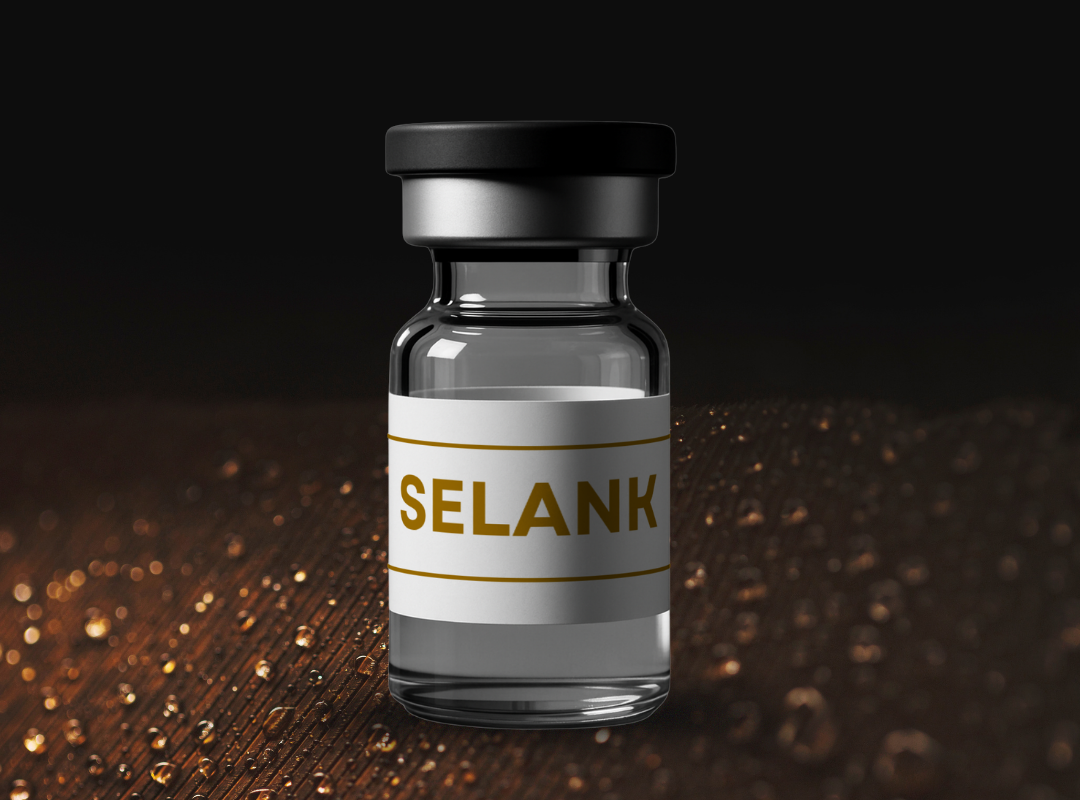
  • Selank: The Brain-Calming Peptide Researchers Can’t Ignore

    Selank: The Brain-Calming Peptide Researchers Can’t Ignore

    A Smarter Way to Tackle Stress and Focus

    Let’s be honest today’s world runs on cortisol and caffeine. But researchers across the U.S. and Canada are exploring a different approach to optimizing mental clarity: Selank. It’s a synthetic peptide being studied for its ability to support focus, calm, mood, and even immunity without the sedation or foggy aftermath tied to typical anxiety solutions.

    Originally developed from a naturally occurring immune modulator, Selank is capturing attention for how it blends nootropic and anxiolytic effects in one formula. In this blog, we break it all down what Selank is, how it works, and why the research world is looking closer.

    Compliance Notes

    Disclaimer: This content is for educational and informational purposes only. Peptide Genius is an educational platform and does not sell, prescribe, or promote the human use of any compounds. All compounds discussed are intended for research purposes only. Information presented here is based on publicly available scientific literature and personal commentary.

    What Is Selank? (And Why It’s Being Studied in Cognitive Labs Everywhere)

    Selank is a synthetic analog of Tuftsin, a naturally occurring immune peptide in the human body. But this isn’t your average immune booster. Selank is being researched for its role in reducing anxiety, boosting mental clarity, and supporting long-term brain health.

    It belongs to a category of nootropic and anxiolytic peptides, meaning it may help the brain stay sharp while remaining calm. And unlike many traditional anti-anxiety medications, it’s being studied for non-sedating, non-addictive properties.

    Research Highlights:

    • A Acta Naturae study found that Selank significantly reduced anxiety and improved cognitive function in animal models (source).
    • Research from the Russian Academy of Sciences showed increased BDNF expression—a biomarker of learning and memory (source).
    • A human study published in Neuroscience and Behavioral Physiology reported improvements in anxiety symptoms and cognitive performance (source).

    Why Selank Matters Right Now

    With the surge in neuropeptide interest driven by research into mental health, stress reduction, and focus optimization Selank’s multipurpose profile makes it one of the most unique cognitive peptides under study.

    Researchers are exploring Selank for:

    • Generalized anxiety models
    • Focus and cognitive enhancement protocols
    • BDNF pathway activation
    • Immune modulation and anti-inflammatory support

    And with minimal reported side effects in most studies, it’s gaining traction as a potential low-risk cognitive tool in the peptide community.

    Key Benefits Being Explored

    • Reduces anxiety and stress without sedation
    • Improves focus, learning, and memory recall
    • Supports immune resilience and inflammatory balance
    • Boosts serotonin and dopamine signaling for better mood
    • May aid in recovery from neuroinflammatory stress

    Selank appears to work by modulating GABA and dopamine systems, while also stimulating BDNF and immune-relevant cytokines. That gives it a rare trifecta of calm, clarity, and immune resilience.

    Potential Side Effects

    While generally well tolerated, reported side effects in research models include:

    • Mild nasal or injection site irritation
    • Dry mouth (more common in intranasal use)
    • Headache or drowsiness (rare)
    • Fatigue at higher dosages

    These effects are mild and often short-lived when proper dosing is followed.

    Dosing Guidelines (For Research Use Only)

    Intranasal: 250–500 mcg/day, divided into 2–3 doses
    Subcutaneous Injection: 200–500 mcg/day
    Cycle: Often used daily or cycled (e.g., 5 days on, 2 days off)

    Best practice: Start low and evaluate behavioral/cognitive response in the study model before scaling.

    Reconstitution & Storage

    1. Reconstitute lyophilized Selank with 1–2 mL of bacteriostatic water
    2. Swirl gently until fully dissolved
    3. Store refrigerated at 2–8°C (36–46°F)
    4. Use within 30 days of reconstitution

    If using intranasal delivery, ensure clean atomizer use to avoid contamination.

    Similar Peptides to Compare

    • Semax: Often paired with Selank; focuses more on dopamine and neuroplasticity
    • Dihexa: Stronger nootropic under study for Alzheimer’s and neurodegenerative models
    • BPC-157: More systemic recovery, but often stacked in cognitive repair protocols

    For neuro-enhancement stacks, Selank + Semax remains one of the most popular combos in the U.S. and Canadian research circuits.

    Mini FAQ: Selank

    Is Selank legal in the U.S. and Canada?
    Yes, for research-use only.

    What does “research-use only” mean?
    Not for human use or ingestion. Reserved for lab or analytical study.

    Do I need a license to buy Selank?
    No license required, but you must be 21+ and agree to proper compliance terms.

    What is a COA?
    A Certificate of Analysis confirming compound identity and purity.

    Can Selank be taken orally?
    Research is mostly intranasal or subcutaneous. Oral bioavailability is limited.

    Conclusion + CTA

    Selank is one of the most exciting neuropeptides under study today especially for researchers exploring the intersection of mood, focus, and immune function. If you’re studying nootropics, anxiolytics, or neuroimmunology, this peptide deserves a closer look.