What If You Could Accelerate Healing From the Inside Out?
Injury recovery used to mean ice, rest, and more waiting. But for researchers digging into the molecular pathways of repair, TB-500 has emerged as one of the most fascinating compounds in the cellular regeneration conversation.
Derived from a naturally occurring protein in the body, TB-500 is being explored for its wide-reaching effects on tissue repair, inflammation reduction, and cellular mobility. It’s not just about patching things up this peptide is being studied for what it may do to unlock faster, more coordinated healing across multiple systems.
In this guide, we’ll break down what TB-500 is, what the research is uncovering, and how researchers are structuring protocols for repair, resilience, and recovery. No hype, just facts served Peptide Genius style.
Compliance Notes
Disclaimer: This content is for educational and informational purposes only. Peptide Genius is an educational platform and does not sell, prescribe, or promote the human use of any compounds. All compounds discussed are intended for research purposes only. Information presented here is based on publicly available scientific literature and personal commentary.
What Is TB-500? (And Why It’s Everywhere in Injury Research)
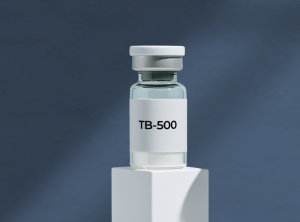
TB-500 is the synthetic version of thymosin beta-4, a peptide found in virtually every cell of the body. It plays a central role in healing and regeneration, especially when it comes to mobilizing cells, repairing tissue, and reducing inflammation.
Unlike targeted peptides, TB-500’s effects appear to be systemic, meaning it may influence recovery in multiple areas of the body simultaneously. Whether it’s ligament repair, post-surgery inflammation, or nerve recovery, it’s being explored for one key purpose: helping the body heal better, faster, and more completely.
Key Research Highlights:
- The Journal of Investigative Dermatology found that thymosin beta-4 supports dermal healing by promoting cell migration and new tissue formation (source).
- Additional studies indicate it may inhibit cardiac cell death, activate stem cells, and support angiogenesis (the formation of new blood vessels) in injured tissues (source).
Why TB-500 Matters Right Now
As biohackers and performance researchers shift toward systemic recovery stacks, TB-500 is gaining traction. While localized therapies are still valuable, peptides like TB-500 that may improve overall cellular coordination are getting more attention in:
- Musculoskeletal injury models
- Joint recovery and chronic pain research
- Post-operative recovery stacks
- Athletic performance maintenance
It’s not just about healing it’s about building resilience into recovery.
Key Benefits Being Explored
- Accelerated tissue repair for ligaments, tendons, and muscles
- Systemic anti-inflammatory properties
- Improved flexibility and reduced stiffness post-injury
- Stimulation of new blood vessels and oxygen delivery
- Support for nerve regeneration and neurorepair
These benefits make TB-500 an interesting candidate for researchers studying post-trauma, post-surgery, and high-impact athletic stress models.
Potential Side Effects
TB-500 appears well tolerated in most research models, but the following have been reported:
- Injection site redness or discomfort
- Mild fatigue during recovery protocols
- Temporary increase in hair growth in some subjects
- Unknown long-term data (as clinical trials are still emerging)
Side effects are generally mild and dose-dependent.
Dosing Guidelines (For Research Purposes Only)
Loading Phase: 2–5 mg per week for 4–6 weeks
Maintenance Phase: 2–5 mg monthly as needed
Frequency: 2–3 subcutaneous or intramuscular injections weekly during loading
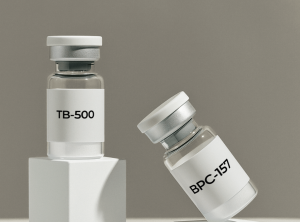
Best practice: TB-500 is often used alongside BPC-157 for synergistic repair in tendon and ligament research models.
Reconstitution & Storage
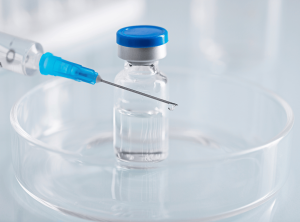
- Reconstitute TB-500 with 1–2 mL of bacteriostatic water
- Swirl gently (do not shake)
- Store refrigerated between 2–8°C (36–46°F)
- Use within 30–60 days depending on handling conditions
Sterility and proper mixing ensure your research model remains uncontaminated and your peptide stays stable.
Similar Peptides to Explore
- BPC-157 – Focuses on gut, ligament, and soft tissue repair; great synergy with TB-500
- GHK-Cu – Targets hair, skin, and wound healing pathways
- AOD 9604 – More focused on metabolic pathways, but often paired for recomposition goals
For broad-spectrum healing, TB-500 + BPC-157 is one of the most commonly explored peptide stacks in U.S. and Canadian research circles.
Mini FAQ: TB-500
Is TB-500 legal in the U.S. and Canada?
Yes, for research-use only. It is not approved for human consumption or medical treatment.
Do I need a license to purchase it?
No license required. You must be 21+ and agree to research-use terms.
What does “research-use only” mean?
You cannot ingest, inject, or apply TB-500 to humans or animals. Use must be confined to approved research.
What is a COA?
A Certificate of Analysis—proof your compound is verified, pure, and batch-tested.
Can TB-500 be stacked with other peptides?
Yes. It’s often paired with BPC-157 for advanced injury repair models.
Conclusion + CTA
TB-500 isn’t a flashy buzzword peptide. It’s a deep, strategic tool for researchers exploring long-term recovery, cellular coordination, and inflammation regulation.
If your protocol involves healing, recovery, or resiliency this is a compound worth looking into.