Introduction: What If Recovery Didn’t Take So Long?
Let’s be real. In a world of hustle, healing often feels like the bottleneck. Whether it’s a nagging joint, lingering gut issues, or the aftermath of intense training, most people don’t have the time or patience to wait for recovery. That’s where BPC-157 enters the chat.
Nicknamed the “Body Protection Compound,” BPC-157 is quickly becoming one of the most talked-about research peptides in the USA and Canada. Why? Because it’s being explored for its role in tissue repair, gut health, inflammation control, and even neurological protection.
In this guide, we’re breaking down exactly what BPC-157 is, what the research says, and how it’s being studied across different systems of the body. You’ll leave this page with real insights, not recycled hype.
Compliance Notes
Disclaimer: This content is for educational and informational purposes only. Peptide Genius is an educational platform and does not sell, prescribe, or promote the human use of any compounds. All compounds discussed are intended for research purposes only. Information presented here is based on publicly available scientific literature and personal commentary.
What Is BPC-157? (And Why Researchers Are Obsessed With It)
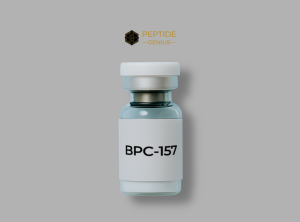
BPC-157 is a pentadecapeptide a chain of 15 amino acids originally derived from a naturally occurring protective compound found in the gastric juices of the human stomach.
Despite its humble origin, it’s now being studied in models focused on everything from:
- Tendon and ligament healing
- Gut repair and IBS relief
- Neurological protection
- Vascular regeneration
What’s wild is how stable and bioactive BPC-157 remains across multiple delivery formats. It doesn’t require complex enzymatic processing to become active, making it unique in the peptide world.
Key Research Highlights:
- A review in Current Neuropharmacology suggests it helps with traumatic brain injury recovery and neuroinflammation (source).
- A Journal of Applied Physiology study showed accelerated tendon and ligament healing in rats (source).
- Research in Gut and Liver examined its impact on inflammatory bowel disease and mucosal healing (source).
Why BPC-157 Matters Right Now
There’s been a tidal wave of interest in regenerative and anti-inflammatory compounds. But while most focus on growth factors or GLP-1s, BPC-157 is being explored for multi-system repair without altering hormone levels.
It’s currently being studied in research models for:
- Post-surgery recovery support
- Athletic injury healing
- Gut-brain axis communication
- Long COVID and neural inflammation recovery
In short? If your research is focused on helping the body bounce back, BPC-157 is a tool worth looking at.
Key Benefits Being Explored
- Accelerates wound and tissue healing
- Promotes gut lining repair and inflammation reduction
- Supports neurological recovery and brain health
- Improves blood flow via angiogenesis stimulation
- Helps regenerate joints, tendons, and ligaments
These benefits aren’t speculative. They’re backed by preclinical and early clinical studies, especially in animal models and emerging human trials.
Potential Side Effects
Despite widespread research, BPC-157 has shown a strong safety profile. That said, some noted effects in research settings include:
- Injection site irritation (with subcutaneous use)
- Mild headache or fatigue
- Unclear long-term data (due to limited large-scale human trials)
When used with care in research protocols, most side effects appear minor and short-lived.
Dosing (For Research Purposes Only)
Subcutaneous Injection: 250–500 mcg, 1–2 times per day
Oral Use: 500–1000 mcg per day (note: absorption may vary)
Duration: Typically studied over 2–4 week periods for acute recovery protocols
Injection Sites: Close to the area of injury or abdomen for general healing
Titration: Not always necessary, but starting at lower ranges is common in research
Reconstitution & Storage
For injectable formats:
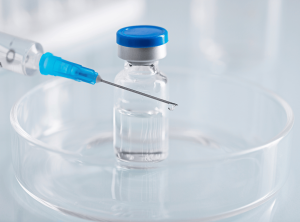
- Reconstitute lyophilized powder with bacteriostatic water (1–2 mL typical)
- Swirl gently until dissolved
- Store refrigerated at 2–8°C (36–46°F)
- Use within 30–60 days depending on purity and storage conditions
Avoid shaking or injecting air into the vial. Clean, careful handling is key.
Similar Peptides to Compare
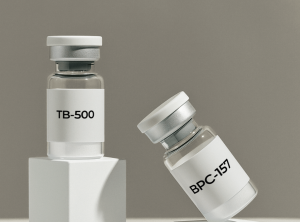
- TB-500 – Often paired with BPC-157 for accelerated wound and muscle healing
- GHK-Cu – Targets skin, hair, and tissue repair, especially topically
- AOD 9604 – Studied more for metabolic support, but often stacked for body recomp protocols
When it comes to recovery stacks, BPC-157 is frequently the foundation peptide especially when paired with anti-inflammatory or angiogenic support.
Mini FAQ: BPC-157
Is BPC-157 legal in the U.S. and Canada?
Yes. It can be purchased for research use only.
What does “research use only” mean?
It means the compound is not approved for human use. All applications must be non-consumptive and lab-based.
How do I know if my peptide is legit?
Look for COA verified, batch-tested products from trusted labs.
Can I take BPC orally for gut research?
Oral delivery is being explored in studies related to GI repair, though subQ is often preferred for broader systemic outcomes.
What is a COA?
A Certificate of Analysis that confirms the peptide’s identity, purity, and safety.
Conclusion + CTA
BPC-157 isn’t hype. It’s one of the most well-documented regenerative peptides available for research today. Whether you’re studying inflammation, injury, or the gut-brain connection, it offers a versatile and well-tolerated approach to tissue repair.
If you’re researching recovery, this peptide should be in your protocol kit.