The Weight Loss Revolution Has a New Co-Pilot
Peptide research has entered a new era. For years, the spotlight shone on GLP-1s like Semaglutide. But a new contender is capturing attention in labs across the U.S. and Canada: Tirzepatide. Why? Because it does what most peptides don’t targets two pathways instead of one.
If you’re here, chances are you’ve heard the buzz. Maybe you’re already deep into research peptides or just trying to figure out what all these acronyms mean. Either way, this guide is designed to clear the fog, cut the fluff, and give you the real story based on science, not hype.
We’ll walk you through what Tirzepatide is, how it’s being researched, how to properly handle it, and what sets it apart from other compounds on the market.
Compliance Notes
Disclaimer: This content is for educational and informational purposes only. Peptide Genius is an educational platform and does not sell, prescribe, or promote the human use of any compounds. All compounds discussed are intended for research purposes only. Information presented here is based on publicly available scientific literature and personal commentary.
What Is Tirzepatide? (And Why Researchers Are So Obsessed With It)
Tirzepatide is a dual incretin peptide that targets GIP (glucose-dependent insulinotropic polypeptide) and GLP-1 (glucagon-like peptide-1) receptors two key players in metabolic regulation.
Originally developed under the brand name Mounjaro, Tirzepatide has become a rising star in peptide research for its ability to mimic both incretins and potentially enhance glucose metabolism, improve insulin sensitivity, and suppress appetite.
Instead of working through just one mechanism like Semaglutide, Tirzepatide triggers two hormonal pathways offering what researchers believe to be more robust metabolic support.
Real Research, Real Results
- A 2022 study in The New England Journal of Medicine reported participants lost 21% of their body weight over 72 weeks using Tirzepatide (source).
- Research from the University of Miami is investigating its ability to improve metabolic flexibility and insulin sensitivity (source).
- Additional trials are exploring its role in addressing NAFLD and cardiovascular dysfunction.
Why Tirzepatide Matters Right Now
With obesity, type 2 diabetes, and metabolic syndrome at all-time highs, the research community is urgently looking for multi-mechanism tools. Tirzepatide has entered the chat.
Its dual-action approach is currently being studied for:
- Appetite and satiety signaling
- Insulin and glucose balance
- Fat oxidation and energy regulation
- Cholesterol and blood pressure improvement
Unlike its GLP-1-only cousins, Tirzepatide appears to offer a more complete metabolic profile in research studies making it one of the most promising new entrants in the peptide space.
Key Benefits Being Explored
- Average 15–22% weight reduction in studies
- Dual hormonal pathway targeting
- Improved blood sugar control and insulin function
- Positive impact on cardiovascular markers
- Potential neuroprotective and longevity support
The blend of GIP and GLP-1 activation gives Tirzepatide an edge. GLP-1 reduces appetite and improves blood sugar. GIP further enhances insulin sensitivity and encourages fat metabolism. Together, they’re being studied as a powerful one-two punch in metabolic regulation.
Potential Side Effects
As with any compound under investigation, Tirzepatide has shown some adverse effects in studies:
Most Common in Research:
- Nausea or vomiting
- Diarrhea
- Mild headaches or fatigue
- Hypoglycemia (especially when combined with glucose-lowering agents)
- Rare: Pancreatitis or elevated thyroid markers (from rodent data)
Like other peptides, side effects tend to be dose-dependent and often resolve with titration.
Dosing Guidelines for Research
Starting Dose: 2.5 mg once weekly for 4 weeks
Mid Dose: 5 mg weekly
Optimal Range: 10–15 mg per week depending on study model and protocol
Injection Site: Subcutaneous (abdomen or thigh)
Best Practice: Consistent weekly dosing, titrated to avoid GI side effects
Reconstitution & Storage
For lyophilized (powder) forms used in research:
- Reconstitute with bacteriostatic water (1–2 mL is typical)
- Swirl gently until dissolved (no shaking)
- Store between 2–8°C (36–46°F) in the refrigerator
- Use within 30–60 days depending on purity and handling
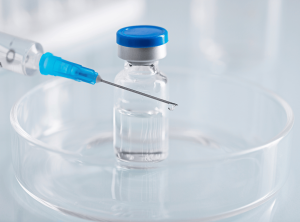
Proper reconstitution is critical to preserving the integrity and stability of your peptide. Always use sterile techniques.
Similar Peptides to Explore
- Semaglutide: GLP-1 only; great for basic appetite research
- Retatrutide: GLP-1 + GIP + Glucagon; a step beyond Tirzepatide
- Tesofensine (non-peptide): Appetite modulation via neurotransmitter pathways
Each compound has a unique mechanism, but Tirzepatide remains the most explored dual agonist at this stage.
Mini FAQ
Are peptides legal in the U.S.?
Yes, for research use only. They are not for human or animal use.
What does “research-use only” mean?
It means peptides cannot be consumed, injected, or administered. They are for study and lab use only.
Do I need a license to purchase peptides?
No. Most suppliers only require confirmation of age (21+) and agreement to research use terms.
How do I know if a peptide is high quality?
Look for a COA (Certificate of Analysis), U.S./Canada-based manufacturing, and proper handling instructions.
What is a COA?
A third-party test verifying the identity, purity, and stability of the compound.
Tirzepatide isn’t just a buzzword. It’s a signal that the world of metabolic peptide research is expanding in real-time. Dual-pathway tools like this represent a future where weight loss, insulin balance, and cellular energy can be studied through a more holistic lens.
Before you explore, equip yourself with clarity. Because peptides are only powerful when the person holding the vial knows what they’re doing.