A Simple Shift That Changed the Hair Loss Game
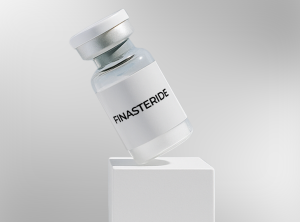
In a world full of overhyped shampoos and speculative hair supplements, one compound quietly rewrote the playbook for DHT-driven hair loss and prostate concerns: Finasteride.
Originally designed for prostate health, Finasteride found its way into hair loss research after researchers noticed an unexpected benefit thicker, fuller hair. Fast forward a few decades, and it’s one of the most studied DHT-blocking compounds in modern research. But between bro-science and Reddit rabbit holes, getting the real facts about Finasteride can still feel like a challenge.
This guide gives you clarity. Whether you’re exploring Finasteride for its hormonal regulation, hair density studies, or prostate research applications this is your shortcut to understanding what it is, how it works, and why it’s still being explored in labs across the U.S. and Canada.
Compliance Notes
Disclaimer: This content is for educational and informational purposes only. Peptide Genius is an educational platform and does not sell, prescribe, or promote the human use of any compounds. All compounds discussed are intended for research purposes only. Information presented here is based on publicly available scientific literature and personal commentary.
What Is Finasteride? (And Why It Keeps Popping Up in Research Labs)
Finasteride is a 5-alpha reductase inhibitor which means it blocks the enzyme that converts testosterone into dihydrotestosterone (DHT). That’s important because elevated DHT is linked to both hair follicle miniaturization and prostate tissue growth.
Originally FDA-approved to manage benign prostatic hyperplasia (BPH), Finasteride later gained traction for its ability to slow or even partially reverse androgenic hair loss. Research has since expanded into hormonal regulation, prostate biology, and scalp rejuvenation protocols.
Key Research Highlights:
- The Journal of the American Academy of Dermatology reported that Finasteride 1 mg/day slowed hair loss progression and increased regrowth over two years (source).
- Journal of Clinical Endocrinology & Metabolism published findings confirming that Finasteride effectively reduces DHT levels in the prostate, supporting its BPH application (source).
Why Finasteride Matters Right Now
DHT modulation remains one of the most studied pathways in androgen-related conditions. With ongoing research into age-related hormone shifts, bioidentical therapies, and hair restoration, Finasteride is still being explored in:
- Male-pattern hair loss (androgenetic alopecia)
- Benign prostatic hyperplasia (BPH)
- Hormone optimization research protocols
- Stacking with regenerative peptides (e.g., GHK-Cu, BPC-157)
Researchers today are also looking at microdosing approaches, combination therapies, and topical Finasteride for localized DHT control.
Key Benefits Being Explored
- Reduces scalp DHT, slowing hair thinning in men with androgenetic alopecia
- Supports hair regrowth, particularly on the crown
- Improves urinary symptoms in men with BPH
- Balances hormone ratios by limiting testosterone-to-DHT conversion
- May reduce scalp oiliness and inflammation tied to DHT sensitivity
Finasteride doesn’t stimulate hair growth like minoxidil it preserves what’s already there by targeting the hormonal trigger that causes follicle shrinkage in the first place.
Potential Side Effects
Like any compound that modulates hormones, Finasteride comes with considerations. Studies report:
- Reduced libido or erectile function (in a small subset of users)
- Gynecomastia (mild breast tissue sensitivity or growth)
- Mood changes including occasional anxiety or depression
- Post-Finasteride Syndrome (PFS): A debated condition where symptoms persist after stopping use. Data is still inconclusive.
These effects appear more common at higher doses (5 mg) and often diminish after discontinuation.
Dosing Guidelines (For Research Use Only)
Hair Loss (Androgenetic Alopecia): 1 mg/day orally
Prostate Research (BPH Models): 5 mg/day orally
Duration: Ongoing research typically spans 3–12 months
Consistency is key. Stopping Finasteride often results in a gradual return of previous hair loss patterns.
Reconstitution & Storage
Finasteride is typically studied in tablet or capsule form and does not require reconstitution.
For powder-based lab protocols:
- Store sealed in a dry, cool space
- Ensure all dosing equipment is calibrated for microgram precision
Similar Products to Compare
- Dutasteride: A broader 5-alpha reductase inhibitor (type I & II), sometimes studied alongside Finasteride
- GHK-Cu: Explored for scalp and hair follicle support
- Topical Finasteride: Being evaluated for localized DHT suppression with fewer systemic effects
For stacking purposes, many labs combine Finasteride with GHK-Cu serums or low-dose Minoxidil for multi-pathway protocols.
Mini FAQ: Finasteride
Is Finasteride legal in the U.S. and Canada?
Yes. It can be purchased for research-use only.
Do I need a license to buy it?
No license is needed, but you must be 21+ and agree to research-use terms.
What does “research-use only” mean?
It is not for human or animal use. Only approved for lab study and formulation development.
Is topical Finasteride safer?
Current studies are exploring its potential to reduce systemic absorption while still suppressing scalp DHT.
What is a COA?
A Certificate of Analysis confirming the identity, purity, and safety of your compound.
Conclusion + CTA
Finasteride is one of the most recognized and researched tools in the world of DHT-driven conditions. Whether you’re studying hair preservation, hormonal rebalancing, or prostate health this compound remains a cornerstone in androgen-focused research.